

📅 Published on September 20, 2025 🔄 Updated on March 18, 2026
The Transalpina is Romania’s highest paved road, crossing the Parâng Mountains at over 2,100 meters. Whether you plan to ride it on a motorcycle or tackle it in a 4×4, this guide covers everything you need: best seasons, road conditions, fuel and gear requirements, costs, and safety considerations. It is not a route to underestimate — but with the right preparation, it is one of the most rewarding drives in Europe.
What Makes the Transalpina Worth the Challenge?
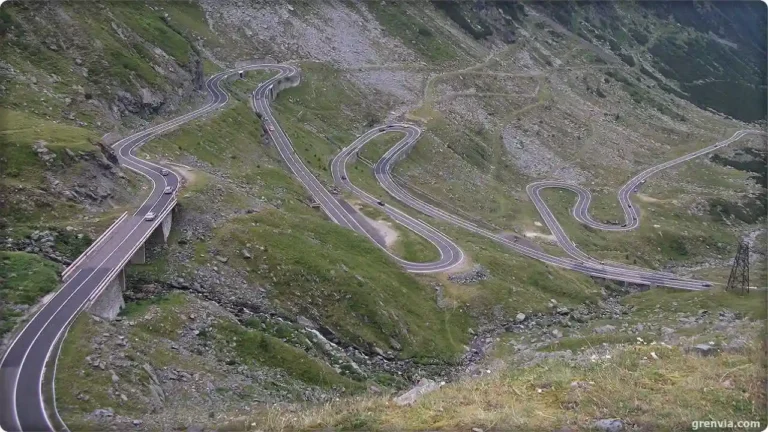
The Transalpina (DN67C) stretches roughly 148 kilometers through the Southern Carpathians, connecting Novaci in the south to Sebeș in the north. Unlike the more famous Transfăgărășan, this road feels rawer, less commercialized, and more exposed to the mountain environment. You are rarely shielded from the wind, and the views across the alpine plateau are unobstructed and dramatic.
For motorcyclists, the combination of sweeping hairpins, long ridge-line straights, and minimal traffic makes it an exceptional riding road. For 4×4 drivers, some unpaved side tracks branching off the main route add off-road value — though the paved sections themselves are manageable in standard AWD vehicles. If you are still building your route, it helps to review a solid Road Trip Planning Guide: Long Drives Done Right before committing to the full crossing.
The challenge is real. Weather can change within the hour at altitude, snowfields sometimes persist well into June, and the road closes entirely in winter. Respect for those conditions separates a memorable trip from a dangerous one.
When Is the Transalpina Actually Open — and Safe?
Imagine driving three hours to the trailhead only to find a barrier across the road and a half-meter of snow beyond it. This happens to unprepared visitors every spring and autumn. The Transalpina typically opens between late May and early June, depending on the year, and closes again in October or November. Always verify the current road status with local sources before departure.
- Late June to early September: Optimal window — stable weather, fully open road, warm nights at lower elevations
- May and October: Possible, but expect ice patches in the morning, sudden fog, and gusty ridgeline winds
- November to April: Road closed to all vehicles; no exceptions for self-rescue
Even in peak season, afternoon thunderstorms are common above 1,800 meters. If you are on a motorcycle, plan to reach the summit by early afternoon and descend before 3 PM. In a 4×4, you have more shelter, but visibility on a wet ridge road at altitude is still a serious concern.
Source: Romanian National Road Company (CNAIR) — seasonal closure estimates
What Do You Actually Need — Bike vs. 4×4?
A rider planning the Transalpina on a mid-sized adventure bike once described it as “the road that punishes light packing and rewards proper boots.” The equipment debate is real, and it matters here more than on a comfortable lowland touring route.
| Category | Motorcycle | 4×4 Vehicle |
|---|---|---|
| Minimum recommended engine size | 400cc (650cc+ preferred) | Standard AWD or 4WD |
| Fuel range needed | 200+ km without refuel | Full tank on entry |
| Key gear | Waterproof layers, helmet with visor, first aid kit | Recovery rope, emergency blanket, extra water |
| Luggage approach | Balanced, low center of gravity | Standard packing applies |
Source: Author estimate based on typical route conditions and community rider reports
For motorcycle luggage specifically, the balance between capacity and handling matters enormously on narrow mountain roads. The debate between Hard Panniers Vs. Soft Luggage: Adventure Touring Guide is directly relevant here — hard cases offer better protection from rain and impact, while soft bags reduce wind resistance on exposed ridgelines.
How Much Does It Cost to Cross the Transalpina?
There are no tolls on the Transalpina itself, but the full trip has real costs that catch some visitors off guard. Fuel is the dominant variable — the nearest filling stations are in Novaci to the south and Sebeș or Petroșani to the north. If you enter from Novaci, fill up completely. There are no service stations on the mountain road.
| Expense | Motorcycle (approx.) | 4×4 (approx.) |
|---|---|---|
| Fuel (round trip, 300 km total) | €15–€25 | €40–€65 |
| Accommodation (one night, mid-range) | €30–€60 | €30–€60 |
| Food and supplies on route | €15–€25 | €15–€25 |
| Emergency / contingency buffer | €50 | €50 |
Source: Author estimate based on current Romanian fuel prices and regional accommodation costs
Budget travelers can reduce accommodation costs by wild camping at designated areas near the route, though this requires extra gear and awareness of weather exposure at elevation.
What Are the Most Common Mistakes on the Transalpina?
A 4×4 owner from Germany recounted arriving at the Obârșia Lotrului junction in sandals and a light jacket in mid-July — temperature at the ridge: 8°C and dropping. It is one of the most common errors on this road: treating it like a lowland summer drive.
- Starting too late in the day — aim to cross the summit before early afternoon
- Underestimating cold at altitude — pack layers even in July and August
- Skipping the fuel check — the road has no petrol stations for over 100 km
- Ignoring weather forecasts — check mountain-specific forecasts, not valley conditions
- Overloading the motorcycle — excess weight amplifies every steering correction on gravel patches
The Transalpina is well-documented by the Romanian off-road community, and drawing on that expertise before departure makes a measurable difference. A thorough Planning Your Romanian Off-Road Adventure | Expert Guide can help contextualize the Transalpina within a broader Romanian mountain itinerary.
Is It Safe for Solo Riders and First-Time Off-Road Drivers?
Yes — with qualifications. Solo motorcyclists with reasonable mountain experience complete the Transalpina regularly without incident. The road is paved along its main length, and traffic, while sparse, means you are unlikely to be stranded alone for long. The bigger risks are weather-related and mechanical: a sudden storm with no shelter, or a flat tire on a remote section with no phone signal.
- Carry a physical map or downloaded offline GPS route — cell coverage drops significantly above 1,600 meters
- Tell someone your planned route and expected return time
- For solo motorcycle riders, a basic puncture repair kit is essential, not optional
- In a 4×4, the risk profile is lower, but recovery gear is still advisable for any unpaved detours
First-time visitors often underestimate how exposed the ridgeline sections feel. There are stretches where there is no guardrail, the road narrows to roughly five meters, and the drop on one side is immediate. Confidence matters more than vehicle specification here.
Final Thoughts on Crossing the Transalpina
The Transalpina rewards preparation more than bravado. Whether you approach it on a loaded adventure motorcycle or in a capable 4×4, the fundamentals remain the same: respect the weather window, carry what you need, plan your fuel, and give yourself enough daylight to respond to the unexpected. This is not a technical off-road challenge — it is an alpine road that demands basic mountain discipline. Get that right, and you will cross one of Europe’s most remarkable highland routes with confidence and a genuine sense of achievement.
Follow WheelsFree on Facebook
Get practical car maintenance tips, driving advice, troubleshooting guides, and useful automotive updates published regularly on Grenvia.
Follow the Facebook PageI am Georg Planko, a travel expert and a key figure at Grenvia (FreeWheels). My mission is to give you the freedom and comfort you deserve during your journeys. With a focus on reliability and a passion for the road, I ensure that grenvia.com remains your trusted authority for adventures on two and four wheels.