
Published on April 11, 2026
Driving through Romania’s mountain roads is one of Eastern Europe’s most rewarding experiences — but it demands respect. Narrow switchbacks, unmarked hazards, sudden weather shifts, and free-roaming livestock make these routes genuinely challenging. This guide covers the 7 most dangerous roads, what gear and insurance you actually need, and how to stay safe without killing the adventure. Whether you’re renting a car or bringing your own, read this before you go.
Why Are Romania’s Mountain Roads So Challenging?
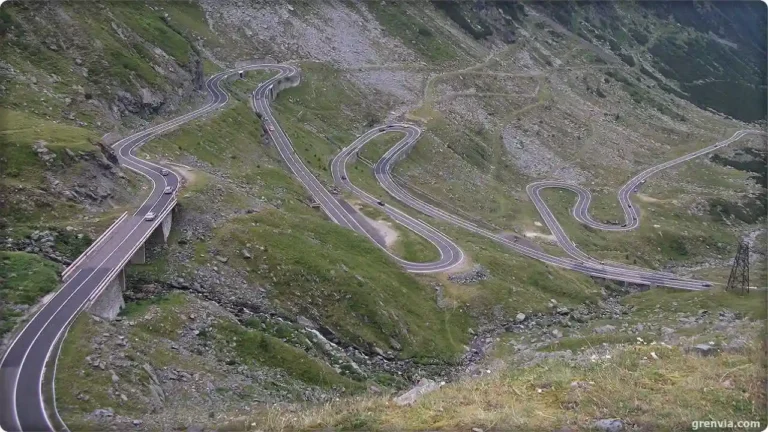
Picture this: You’re cruising through Transylvania, the scenery is stunning, and then the road narrows to one lane — with a sheer drop on your left and a rock wall on your right. A horse-drawn cart appears around the bend. No guardrail. No shoulder. That’s Romania’s mountains in a nutshell.
Romania’s Carpathian roads were often built decades ago, many without modern safety standards. Combine that with altitude changes exceeding 2,000 meters, unpredictable Alpine-style weather, and seasonal damage from harsh winters, and you have conditions that catch even experienced drivers off guard.
Common hazards include:
- Unmarked potholes and broken asphalt after winter frost
- Free-roaming sheep, cattle, and horses — especially at dawn and dusk
- Hairpin turns with zero visibility
- Sudden fog, ice, or snow even in late spring
- Locals driving at speed on roads they know by heart
- Minimal or absent crash barriers on cliff-edge sections

Before planning your route, read through the Driving In Romania Essential Tips Guide — it covers rules of the road, local driving culture, and what to expect before you even reach the mountains.
What Are the 7 Most Dangerous Mountain Roads in Romania?
A traveler from Germany once told me he’d driven the Alps, the Dolomites, and the Pyrenees — and still said Transfăgărășan made him pull over and breathe for five minutes. Here’s the honest list:
| Road | Region | Main Hazard | Seasonal Risk |
|---|---|---|---|
| Transfăgărășan (DN7C) | Southern Carpathians | Sharp hairpins, altitude, crowds | Closed Nov–Jun (approx.) |
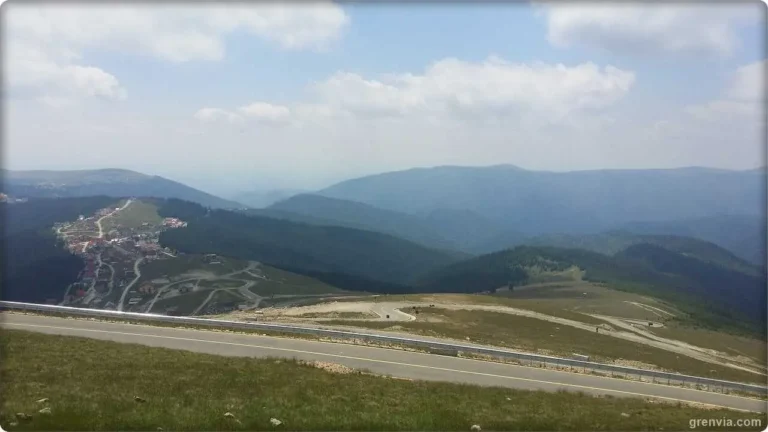
| Transalpina (DN67C) | Parâng Mountains | Romania’s highest paved road, ice patches | Closed Oct–May (approx.) |
| Cheile Bicazului (DN12C) | Eastern Carpathians | Extremely narrow gorge, rock overhangs | Rockfall risk in spring |
| Pasul Prislop (DN18) | Maramureș | Remote, poor surface, winter ice | Year-round risk |
| Defileul Jiului (DN66) | Hunedoara–Gorj | Landslide zones, crumbling edges | Spring melt danger |
| Bâlea Lac Access Road | Sibiu County | Sheer drops, no barriers on sections | Snow possible year-round |
| Pasul Gutâi (DN18) | Maramureș | Fog, wet leaves, tight curves | Autumn is most dangerous |
Source: Romanian National Road Administration (CNAIR) road classifications and traveler safety reports.
Transfăgărășan and Transalpina get the most attention, but it’s the lesser-known passes like Gutâi and Prislop where drivers get into real trouble — precisely because they’re underestimated.
What Insurance and Vehicle Requirements Do You Actually Need?
Here’s where many travelers get burned. A family from the UK once rented a small hatchback with standard rental insurance — fine for city driving. They scraped the undercarriage on an unmarked pothole on the way to Bâlea Lac and discovered their policy excluded off-road and mountain terrain damage. It cost them over €600 out of pocket.
Before you drive any Romanian mountain road, verify these points:
- Car rental mountain coverage: Explicitly ask whether damage on unpaved or high-altitude roads is covered. Many budget rental policies in Romania exclude it.
- Travel insurance with roadside assistance: Standard travel insurance rarely includes vehicle recovery in remote areas. Look for policies that specifically cover mountain breakdown assistance.
- Green Card (international motor insurance certificate): Required if driving your own vehicle from outside the EU.
- Rovinieta (road vignette): Mandatory for all vehicles on Romanian national roads. Purchasable online or at border points.
| Vehicle Type | Recommended for Mountains? | Notes |
|---|---|---|
| Small city car (hatchback) | Marginal | Low clearance causes undercarriage damage on rough sections |
| Mid-size sedan / estate | Yes (with care) | Adequate for main passes like Transfăgărășan |
| SUV / Crossover (AWD) | Strongly recommended | Best for secondary passes and unpredictable surfaces |
| Campervan / large motorhome | No | Width and length restrictions on most gorge roads |
Source: Romanian Automobile Club (ACR) vehicle recommendations and rental operator guidelines.
How Should You Prepare Before Hitting the Mountain Roads?
A well-traveled road tripper from Canada I once crossed paths with at a petrol station near Sibiu had a laminated checklist taped to his dashboard. Overkill? Maybe. But he hadn’t had a single incident across 14 countries.
Your pre-drive checklist for Romanian mountain roads:
- Check road closure status — Transfăgărășan and Transalpina have official opening and closing dates each year. Verify with CNAIR before planning.
- Download offline maps — Mobile signal drops frequently in gorges and at altitude. Google Maps and Maps.me both allow offline downloads.
- Carry emergency gear — Reflective triangle, high-visibility vest (legally required in Romania), first aid kit, and a tow rope.
- Fill up before ascending — Petrol stations are rare once you’re in the passes. Never start a mountain road below half a tank.
- Check the weather forecast specifically for altitude — Weather at 2,000m bears no resemblance to what you see in the valley.
- Start early — Most accidents happen in afternoon heat haze and evening low-light. Early morning gives you clear air and lighter traffic.
For broader trip planning across the region, the Road Trip Planning Guide: Long Drives Done Right has solid frameworks for pacing, fuel stops, and managing fatigue on multi-day drives.

What Are the Real Costs of Driving Romania’s Mountains?
Let’s talk money — because the hidden costs catch people off guard far more than the roads themselves.
- Car rental with mountain-capable vehicle: Expect to pay 20–40% more for an SUV versus a standard category. Shop early — high-clearance vehicles sell out in peak season.
- Rovinieta (road vignette): A 7-day vignette costs approximately €3–5. A month costs around €7. Non-compliance fines are steep.
- Roadside assistance / recovery in remote areas: If you break down on Transalpina, a recovery truck can cost €150–400 depending on location.
- Tyre damage: A single pothole incident can destroy a low-profile tyre. Budget €80–150 per tyre replacement in Romania.
- Fuel: Mountain driving burns 25–40% more fuel than flat motorway driving due to constant gear changes and altitude.
If you’re planning a wider loop through the region, the Best Eastern Europe Road Trip — Grenvia gives smart routing advice that can help you sequence Romania’s mountain roads without backtracking or exhausting yourself.
Is Driving Romania’s Mountains Worth It?
Every experienced driver who’s done Transfăgărășan says the same thing: it’s the best road they’ve ever driven. That opinion holds up. The combination of raw scenery, genuine driving challenge, and the feeling of genuine remoteness is hard to find anywhere in Europe at this price point.
But “worth it” depends entirely on preparation. For drivers who go in underprepared — wrong vehicle, no offline maps, basic rental insurance, no weather check — Romania’s mountain roads punish mistakes quickly and expensively.
Go prepared, and these roads deliver something that perfectly manicured Alpine toll roads simply can’t.
Drive the mountains like a local would: slow on the unknowns, confident on the straights, always ready for what’s around the next bend. Romania rewards the driver who respects its roads — and it has a way of humbling the ones who don’t.
Follow WheelsFree on Facebook
Get practical car maintenance tips, driving advice, troubleshooting guides, and useful automotive updates published regularly on Grenvia.
Follow the Facebook PageI am Georg Planko, a travel expert and a key figure at Grenvia (FreeWheels). My mission is to give you the freedom and comfort you deserve during your journeys. With a focus on reliability and a passion for the road, I ensure that grenvia.com remains your trusted authority for adventures on two and four wheels.