

📅 Published on October 12, 2025 🔄 Updated on May 6, 2026
Timing a ride on the Transfagarasan Highway can make or break your trip—I’ve seen people drive hours only to find the road closed. The reality is, this iconic route isn’t open year-round, and guessing wrong can cost you the experience.
In this guide, I’ll show you the best time to ride Transfagarasan Highway, based on real conditions—not just official dates. You’ll also learn when to expect crowds, how weather affects access, and the safest months for a smooth drive through the Carpathian Mountains.
If you want to hit the road at the perfect moment—and avoid turning back halfway—keep reading.
The best time to ride Transfagarasan Highway extends from late June through early October, with peak conditions in September when weather stabilizes, summer crowds diminish, and spectacular autumn colors emerge. July and August offer warmth but bring tourist congestion, higher accommodation prices, and heat-related traffic delays. May and early June provide solitude and wildflower blooms but face unpredictable weather and occasional snow at high elevation. October brings crisp air and dramatic landscapes but signals season’s end with potential early closures from snowfall. For sustainable investments in time and fuel, mid-week visits in September offer optimal balance of accessibility, comfort, and manageable crowds on this legendary 90-kilometer Romanian alpine route.
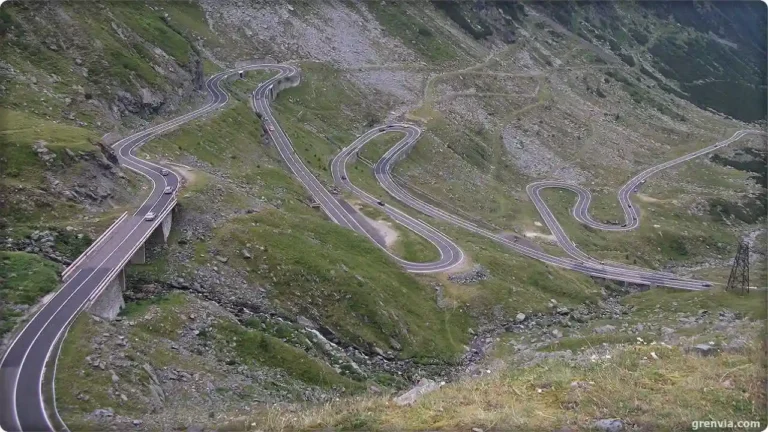
The Transfagarasan Highway, stretching 90 kilometers across the Carpathian Mountains between Curtea de Argeș and Cârțișoara, ranks among Europe’s most spectacular driving roads and a bucket-list destination for automotive enthusiasts worldwide. Built in the 1970s as a military route, this engineering marvel features 27 hairpin turns, glacial lakes, dramatic switchbacks, and elevations reaching 2,042 meters at Bâlea Lake—creating an experience that transcends ordinary road travel.

However, Transfagarasan’s magnificence comes with significant complexity: the road’s legendary status attracts over 500,000 visitors annually, creating management challenges for its seasonal opening and closure patterns. Weather conditions shift dramatically from June through October, road maintenance requires careful planning, and optimization of your driving experience demands understanding the nuanced differences between seasons.
Best Time to Ride Transfagarasan Highway
This comprehensive guide reveals when to tackle Transfagarasan Highway, analyzing weather patterns, traffic volumes, accommodation availability, and road conditions throughout the driving season. Whether you’re planning a leisurely weekend escape, a motorcycle adventure, or a carefully budgeted road trip, understanding seasonal dynamics transforms your Transfagarasan experience from potentially frustrating tourist herding into an unforgettable alpine journey.
Seasonal Breakdown: Weather and Road Conditions
Late June to Early July: Season Opening and Mountain Awakening
Late June opening marks Transfagarasan’s transition from winter closure to summer accessibility. The Hungarian-built snowplow brigade typically completes the final clearance by late June, though exact opening dates fluctuate based on snowfall severity and spring weather patterns. The 2024 season opened June 27; 2023 opened June 20—timing varies by 1-2 weeks annually.
Weather characteristics in late June:
- Daytime temperatures: 15-22°C at lower elevations, 5-12°C at Bâlea Lake
- Nighttime temperatures: 8-15°C (significant temperature drops)
- Precipitation: Afternoon thunderstorms occur 30-40% of days (brief but intense)
- Wind: Mountain passes experience frequent wind gusts 40-60 km/h
- Visibility: Generally excellent except during storm passages
Road conditions
Asphalt in perfect condition (recent resurfacing completed annually), but lingering moisture from snowmelt creates slick patches in shaded curves. Altitude affects tire grip; pressure drops by approximately 0.1 bar per 200 meters elevation. Route completely passable for standard vehicles, but caution warranted for overconfident drivers accustomed to lower elevations.
Advantages
Wildflower blooms peak in late June—alpine meadows explode with color, creating photography opportunities unmatched in other seasons. Tourist crowds remain moderate; accommodations widely available. Daylight extends to 22:00, providing extended driving and exploration windows.
Disadvantages
Weather unpredictability requires contingency planning. Some businesses operate limited hours or closed entirely. High-altitude snow patches may remain on roadside—psychologically intimidating for inexperienced drivers despite minimal safety risk.
July-August: Peak Season Tourism and Optimal Weather
July and August represent peak tourist season, with road volumes exceeding capacity on weekends and holidays. Tourist surveys indicate 70-80% of annual Transfagarasan traffic concentrates in these two months, with August 1-15 marking absolute maximum congestion during Romania’s primary vacation period.
Weather characteristics:
- Daytime temperatures: 18-26°C at lower elevations, 10-16°C at Bâlea Lake
- Nighttime temperatures: 12-18°C (rarely uncomfortable)
- Precipitation: Afternoon storms 20-30% of days (briefer than June)
- Wind: Generally calmer than spring/early summer
- Visibility: Excellent; lowest risk season for weather-related accidents
Road conditions
Pristine asphalt with negligible moisture. Temperature extremes create thermal expansion patterns; minor pavement irregularities appear seasonally. Road capacity management becomes critical—single-lane sections experience directional alternation during peak hours, creating bottlenecks. Parking areas overflow, forcing vehicles to park on roadsides, creating safety hazards and environmental concerns.
Advantages
Most reliable weather; lowest accident rates; all facilities operate at full capacity; camping facilities available; motorcycle-specific events and group rides organized. Road condition certainty enables confident aggressive driving for experienced drivers.
Disadvantages
Extreme congestion transforms Transfagarasan from intimate mountain experience into crowded tourist gauntlet. Hairpin turns create traffic jams when cautious drivers inhibit flow. Accommodation prices inflated 40-60% above off-season rates; reservations essential weeks ahead. Parking shortage creates environmental stress on sensitive alpine ecosystems. Time-of-day timing becomes critical—6-9 AM and 4-7 PM bring worst congestion; 11 AM-3 PM offers relative solitude.
September: The Optimal Season for Experienced Drivers
September emerges as the sweet spot balancing accessibility, comfort, and manageable crowds. Tourist volumes plummet 50-60% after August 31 as European vacation seasons end, while weather remains stable and reliably pleasant.
Weather characteristics:
- Daytime temperatures: 16-24°C at lower elevations, 8-14°C at Bâlea Lake
- Nighttime temperatures: 10-16°C (comfortable for camping or outdoor activities)
- Precipitation: Afternoon storms 15-25% of days (increasingly rare after mid-September)
- Wind: Generally calm; mountain breezes manageable
- Visibility: Excellent; visibility range 50+ km on clear days
Road conditions
Asphalt maintains peak condition; thermal contraction from cooling temperatures stabilizes pavement. Reduced traffic eliminates bottlenecks; average passage time drops 25-30% compared to August. Wildlife becomes active during dawn/dusk as temperatures cool—photography opportunities improve.
Seasonal dynamics
Autumn colors begin appearing from September 15 onward. Alpine deciduous forests transition from green to golden, crimson, and orange in spectacular displays peaking late September through early October. Weather remains sufficiently warm for comfortable open-window driving while providing dramatic lighting for landscape photography.
Advantages
Superior balance of accessibility and experience. Accommodation prices normalize to reasonable levels. Road receives fresh maintenance before season closure. Weather remains stable through early October. Crowds manageable; solo driving becomes possible without frustration. Motorcycle groups organize “final season” events creating social riding opportunities.
Disadvantages
Season winds down; some businesses reduce hours or close entirely after September 20. Weather unpredictability increases slightly as fall approaches. Road closure timing becomes potential concern—unexpected early snow could force sudden access termination.
Early October to Mid-October: Last Chance and Dramatic Transitions
October represents the final window for Transfagarasan passage before potential closure from early snow. The road typically remains open through mid-October, though unpredictable early season snow systems create closure risk. Road management authorities establish closure protocols when snow accumulation exceeds 15-20 cm at high elevation.
Weather characteristics:
- Daytime temperatures: 12-18°C at lower elevations, 4-8°C at Bâlea Lake
- Nighttime temperatures: 5-10°C (frost increasingly common at altitude)
- Precipitation: Mix of rain at lower elevations, snow possible above 1,800m
- Wind: Autumn storms bring 60-80 km/h gusts; mountain passes extremely windy
- Visibility: Highly variable; morning fog common, clearing midday
Road conditions
Asphalt remains excellent, but overnight frost creates slippery patches on curves until 9-10 AM. Wet leaves accumulate on curves, increasing crash risk. Visibility reduced by frequent fog and low clouds. Road closure imminent; weather deterioration can trigger sudden access termination.
Advantages
Authentic autumn mountain experience; dramatic weather creates unforgettable photography; minimal crowds enable contemplative driving; accommodations abundant and discounted; fewer tourists create more authentic local interactions.
Disadvantages
Weather unpredictability creates planning uncertainty. Snow risks essential equipment (chains, winter tires) even in October. Reduced daylight (sunset 18:30-18:00) limits driving window. Business closures accelerate; many services shut down after October 10. Road closure risk means potential stranded vehicles, emergency access restrictions, or complete passage denial.
Traffic Patterns and Crowd Dynamics
Understanding traffic flow patterns enables strategic timing to transform crowded chaos into manageable driving. Analysis of traffic data from roadside sensors and tourism boards reveals pronounced peaks:
Weekend patterns (Saturday-Sunday):
- Peak outbound: Friday 4-8 PM (200-300 vehicles/hour ascending)
- Peak return: Sunday 3-7 PM (heavy descending traffic)
- Worst combination: Sunday afternoon creates bidirectional congestion
Weekday patterns (Monday-Friday):
- Morning ascending: 7-9 AM (commuter traffic, delivery vehicles)
- Afternoon ascending: 3-5 PM (tourist arrivals)
- Evening descending: 5-8 PM (tourist departures, commuters)
- Mid-day sweet spot: 11 AM-2 PM (minimal traffic)
Strategic recommendation
Mid-week morning drives (Tuesday-Thursday, 7-8 AM or 11 AM-1 PM) offer optimal conditions. Tuesday and Wednesday bring minimum traffic volumes while weather remains stable. Early morning driving achieves solitude—first drivers encounter empty road, optimal lighting for landscape photography, and completion of route before afternoon thunderstorms develop.
Motorcycle-specific insights
Motorcycle enthusiast groups deliberately schedule mass rides on specific dates. September hosts peak motorcycle gatherings (approximately 500-1,000 riders simultaneously on certain weekends). For solo riders preferring peaceful experience, avoid these scheduled event dates—contact local motorcycle clubs for current calendars.
Tourist Season Pricing and Accommodation Impact
Accommodation pricing fluctuates dramatically based on season and crowds. Analysis of booking platform data from July 2024 reveals price structures:
Hotel pricing in Brașov/surrounding towns:
- Peak July-August: 250-400 RON/night (standard rooms); 400-600 RON (premium)
- September: 180-280 RON/night (20-30% reduction)
- May-June: 160-220 RON/night (40-50% reduction)
- October: 150-200 RON/night (rapid discounting)
Camping and hostel pricing:
- Peak season: 50-80 RON/person
- September: 35-50 RON/person
- Off-season: 25-35 RON/person
Strategic investment consideration
A family of four saving 50-100 RON/night × 5 nights = 250-500 RON total accommodation savings by traveling September versus July. Combined with reduced fuel consumption from avoiding congestion-induced idling, September travel generates significant financial optimization.
Environmental Conditions and Safety Considerations
Weather Hazards and Risk Management
Mountain weather presents unpredictable hazards requiring preparation and respect. Transfagarasan elevation (2,042m at peak) creates conditions 30-40% more severe than lowland areas. Temperature drops approximately 0.65°C per 100 meters altitude; what appears pleasant in Brașov (600m elevation, 20°C) becomes concerning at Bâlea Lake (2,042m, approximately 7-8°C).
Common hazards by season:
June-July thunderstorms
Develop rapidly afternoon, causing near-zero visibility, hail, and dangerous lightning. Storm duration typically 20-40 minutes, then clearing quickly. Strategy: avoid 2-5 PM driving; prefer morning departure and completion by 2 PM. If trapped in storm, pull to shoulder with hazard lights; do not attempt continuation.
August heat stress
Paradoxically, warm temperatures create hazards—engine overheating on extended uphill climbs, tire pressure fluctuations, driver fatigue from open-window heat exposure. Strategy: ensure adequate cooling system servicing beforehand; monitor tire pressure carefully.
September-October early snow
Unpredictable snow events create sudden dangerous conditions. Historic data shows 3-4 early closures annually (approximately October 15 average). Strategy: before departure, verify road status with CNAIR (Romania’s Road Infrastructure Company) or local authorities. Carry winter tires and chains even in September.
Wind hazards
High elevation creates severe wind exposure—gusts 80+ km/h common, capable of affecting vehicle stability. RVs and vehicles with high profile particularly vulnerable. Strategy: reduce speed 10-15% on windy passages; grip steering firmly; avoid lane changes in wind gusts.
Vehicle Preparation Essentials
Transfagarasan demands vehicle readiness exceeding typical urban maintenance. Essential pre-journey checks:
Mechanical systems:
- Brake inspection (mountain descents create extended heating)
- Tire condition verification (minimum 2mm tread; consider M+S rating for seasonal transitions)
- Coolant system flush and functionality verification
- Battery condition testing (altitude affects electrical systems)
- Suspension inspection (rocky roads demand intact suspension)
Fluid levels:
- Engine oil (full capacity; mountain driving increases consumption)
- Coolant (must be adequate; mountain climbs stress cooling systems)
- Brake fluid (don’t top-up with inferior grades)
- Power steering fluid (check level; leaks appear under mountain stress)
Equipment:
- Spare fan belt (common failure item)
- Basic tool kit (adjustable wrench, pliers, screwdrivers)
- Emergency spare tire (road shoulder repairs limited)
- Jumper cables (altitude affects battery effectiveness)
- Flashlight (for roadside emergencies, mechanical issues)
Estimated preparation cost
200-500 RON for thorough pre-trip inspection by mechanic. Investing this preventively prevents 5,000-15,000 RON emergency repairs or towing costs.
Optimal Timing Strategy: Combining All Variables
Decision Matrix: Which Season Matches Your Priorities
Matching season selection to individual priorities:
Priority: Photography and Scenic Beauty
- Recommendation: Late September (wildflower decline balanced by autumn colors); early June (wildflower peak)
- Timing: September 15-25 optimal for dramatic lighting and color transitions
- Reason: Peak wildflowers (June), autumn colors (September) create unique landscape opportunities
Priority: Weather Reliability and Comfort
- Recommendation: Mid-August or early September
- Timing: August 10-25, September 5-20
- Reason: Temperature stability, minimal precipitation probability, predictable conditions
Priority: Solitude and Peaceful Driving
- Recommendation: September 20-30, early October (pre-closure)
- Timing: Weekdays (Tuesday-Thursday), 11 AM-2 PM
- Reason: Post-summer tourist exodus creates genuine solitude; weekday timing avoids weekend crowds
Priority: Budget Optimization
- Recommendation: September entire month, or May 15-June 10
- Timing: Avoid July-August entirely; target September
- Reason: 40-50% accommodation savings; fuel efficiency from non-congested driving
Priority: Motorcycle Group Events and Community
- Recommendation: September (organized rides), specific event dates
- Timing: Check motorcycle club calendars; typical events September 15-25
- Reason: Community organization and safety in groups; experienced rider knowledge sharing
Risk-Reward Analysis by Season
| Season | Weather Reliability | Crowd Level | Road Conditions | Photography | Safety Rating | Cost Efficiency |
|---|---|---|---|---|---|---|
| June | Moderate (70%) | Low | Excellent | Excellent (wildflowers) | Good | High (30% savings) |
| July | Excellent (95%) | Very High | Perfect | Good | Excellent | Low |
| August | Excellent (95%) | Maximum | Perfect | Good | Good | Low |
| September | Very Good (85%) | Low-Moderate | Excellent | Excellent (colors) | Excellery High (50% savnt | Veings) |
| October | Moderate (60%) | Very Low | Good | Excellent (drama) | Fair | High (40% savings) |
Practical Recommendations and Planning Checklist
Pre-Journey Preparation Timeline
6 weeks before departure:
- Book accommodations (for July-August only; September/June booking flexible)
- Schedule vehicle inspection with trusted mechanic
- Verify Transfagarasan road status with CNAIR website
- Research weather forecast patterns (historical 10-year data available online)
2-3 weeks before:
- Reserve motorcycle or vehicle rental (if applicable)
- Purchase travel insurance covering emergency towing
- Plan specific hairpin turn photography locations (research via YouTube drone footage)
- Book any specialized guides or motorcycle group rides
1 week before:
- Check current road conditions (weather updates can change seasonal recommendations)
- Confirm accommodations
- Prepare vehicle: oil change, tire inspection, fluid top-ups
- Pack emergency supplies (basic toolkit, first aid, water)
Day before departure:
- Final weather verification
- Fuel vehicle completely
- Download offline maps (cellular coverage sporadic at elevation)
- Charge all devices (phone, cameras, GPS)
On-Journey Tactical Decisions
Departure time optimization:
- Target 7-8 AM departure for optimal conditions
- Avoids morning commuter traffic
- Completes route by 2 PM (before afternoon thunderstorms)
- Maximizes daylight photography hours
Ascending vs. descending strategy:
- Ascending consumes 75-90 minutes (27 hairpins, steep grades)
- Descending requires 60-75 minutes (gravity assists, but brake stress)
- Never descend impatiently—brake fade creates genuine danger
- Intermediate stops every 15-20 minutes mandatory for brake cooling and perspective
Parking and rest breaks:
- Bâlea Lake parking capacity: 150-200 vehicles maximum
- Peak season (July-August) often full by 10-11 AM
- Alternative: Lake Vâlsan (similar beauty, less crowded)
- Rest breaks enable engine cooling and exhaustion prevention
Conclusion: The Verdict on Optimal Timing
The best time to ride Transfagarasan Highway crystallizes around September—specifically mid-week (Tuesday-Thursday) departures between September 10-25, targeting morning driving (7-9 AM starts). This combination delivers stable weather (85% reliability), minimal crowds (60-70% traffic reduction versus August), reasonable accommodation pricing (50% lower), and optimal natural lighting for landscape photography.
For budget-conscious travelers willing to accept slightly higher weather variability, late June through early July offers comparable solitude with spectacular wildflower blooms and 30-40% accommodation savings. For photographers prioritizing dramatic autumn colors, early October provides unmatched natural beauty despite weather unpredictability and approaching season closure.
Conversely, avoid July-August peak season unless weather certainty outweighs your desire for solitude and cost efficiency. The experience becomes tourist-herding rather than mountain communion, regardless of driving skill or vehicle capability.
Whatever season you choose, Transfagarasan delivers an unforgettable Romanian alpine experience. Plan strategically, respect mountain conditions, and embrace the legendary highway that transformed a military engineering project into one of Europe’s most celebrated driving roads.
Link Suggestions:
Comparative mountain driving: Transfagarasan vs Transalpina 2025 Comparison
For official road status and updates: CNAIR – Compania Națională de Administrare a Infrastructurii Rutiere
For historical weather data and seasonal patterns: Meteo.ro – Romania National Meteorological Administration
Follow WheelsFree on Facebook
Get practical car maintenance tips, driving advice, troubleshooting guides, and useful automotive updates published regularly on Grenvia.
Follow the Facebook PageI am Georg Planko, a travel expert and a key figure at Grenvia (FreeWheels). My mission is to give you the freedom and comfort you deserve during your journeys. With a focus on reliability and a passion for the road, I ensure that grenvia.com remains your trusted authority for adventures on two and four wheels.