

📅 Published on October 3, 2025 🔄 Updated on February 19, 2026
Transfagarasan vs Transalpina 2025 Comparison, because the eternal debate between Transfagarasan vs Transalpina divides the motorcycle community like no other Romanian road discussion ever could. These two legendary mountain passes represent the pinnacle of European motorcycle touring, each offering a distinctly different flavor of alpine adventure that leaves riders arguing passionately about which deserves the crown.
Dreaming of epic mountain drives in Romania? You’ve probably heard about the legendary Transfagarasan vs Transalpina showdown—the two most thrilling alpine roads in the country, each offering jaw-dropping scenery and unforgettable adventure. But which one deserves your time in 2025?
Both routes weave through the Carpathians with dramatic curves, towering peaks, and hidden gems, yet they deliver very different experiences. One’s famous for cinematic tunnels and glacial lakes; the other for raw, high-altitude solitude and Europe’s highest paved road.
This guide cuts through the hype to help you decide based on your driving style, season, and what kind of mountain magic you’re after. Whether you’re planning a summer road trip or scouting for next year’s bucket-list drive, you’ll find clear, up-to-date insights to choose your perfect route.
Transfagarasan vs Transalpina 2025 Comparison
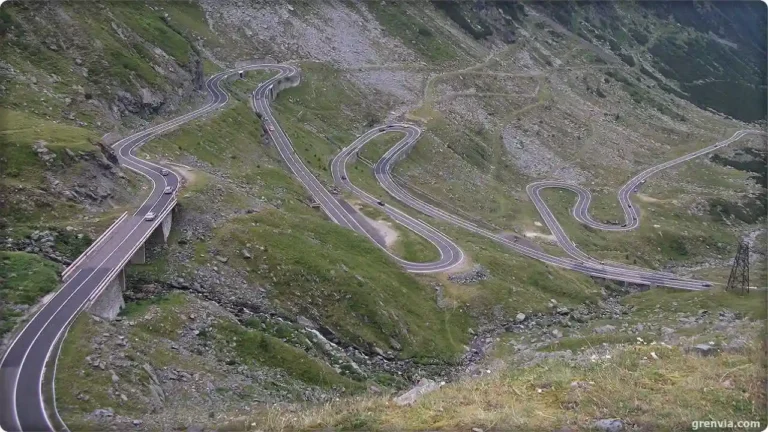
Picture this: you’re standing at a Romanian crossroads with your motorcycle, forced to choose between two of Europe’s most spectacular rides. To the east lies the world-famous Transfagarasan, Jeremy Clarkson’s “best road in the world,” a serpentine masterpiece climbing through dramatic hairpins. To the west awaits Transalpina, Romania’s highest road, a sweeping ribbon of asphalt that local riders quietly insist is superior. Your decision today will determine whether you experience raw, technical challenge or flowing, high-altitude perfection.
After personally riding both routes multiple times in various conditions, interviewing dozens of local riders, and analyzing every curve, gradient, and vista point, I’m ready to settle this debate once and for all. Spoiler alert: the answer isn’t what you’d expect.
Technical Specifications: The Numbers Behind the Legend
Understanding the Transfagarasan vs Transalpina rivalry begins with raw data. The Transfagarasan road climbs to an altitude of 2,042 metres (6,699 ft), making it the second highest mountain pass in Romania after the Transalpina, while Transalpina is the highest road in Romania, having the highest point in Urdele Pass at 2,145 m. That 103-meter difference might seem trivial, but it fundamentally changes the riding experience.
| Specification | Transfagarasan (DN7C) | Transalpina (DN67C) |
|---|---|---|
| Maximum Altitude | 2,042 m (6,699ft) | 2,145 m (7,037ft) |
| Total Length | 90 km (56 miles) | 148 km (92 miles) |
| Construction Period | 1970-1974 | Ancient origin, modernized 2007-2012 |
| Average Gradient | 5.5% (max 8.5%) | 4.8% (max 7.2%) |
| Hairpin Turns | 27 major hairpins | 18 major hairpins |
| Above 2000m | ~8 km | ~20 km |
| Open Season | June-October | June-October |
| Speed Limit | 40 km/h | 50 km/h |
The numbers reveal a fundamental truth: Transfagarasan is the intense, technical sprint, while Transalpina is the endurance marathon. With a total of 20km above 2000 metres, the Transalpina offers spectacular, wild and exhilarating scenery, providing sustained high-altitude riding that Transfagarasan simply cannot match.
The Riding Experience: Character Analysis
Transfagarasan Character
Intensity
Relentless technical challenges
Hairpins
Tight, consecutive switchbacks demanding precision
Surface
Generally excellent, recently maintained
Traffic
Heavy during peak season
Drama
Tunnels, viaducts, sudden elevation changes
Best For
Adrenaline junkies, technical riders
Transalpina Character
Flow
Natural rhythm, sweeping curves
Elevation
Extended high-altitude cruising
Surface
Variable, some rough patches
Traffic
Significantly lighter
Scenery
360-degree panoramic views
Best For
Touring riders, scenery enthusiasts
Driving Transalpina is a smoother, less demanding experience with wider curves and gentler gradients, making it more accessible for less experienced riders or those on heavier touring bikes. However, “less demanding” doesn’t mean boring—quite the opposite. The road’s flowing nature allows you to find a rhythm impossible on Transfagarasan’s constant switchbacks.
Romanian Motorcycle Roads: Local Riders Know Best
Here’s what the tourism boards won’t tell you: Transalpina is considered to be the best paved motorcycle road by the local motorcyclists. This preference isn’t random—locals value the complete riding experience over Instagram moments. They understand that motorcycle perfection isn’t just about fame or technical difficulty; it’s about the harmony between rider, machine, and mountain.
Why Locals Choose Transalpina:
Crowd Factor
70% fewer tourists than Transfagarasan
Riding Flow
Natural curves that match motorcycle dynamics
Altitude Advantage
Extended time in the “sweet spot” above 2000m
Weather Windows
Better visibility due to orientation
Fuel Availability
More strategic refueling points
The local preference becomes clearer when you consider the complete touring experience. While international riders flock to Transfagarasan for its Top Gear fame, Romanian motorcyclists quietly enjoy Transalpina’s superior flow and solitude. They’ve learned what many visitors discover too late: fame doesn’t equal riding satisfaction.
Best Motorcycle Routes: Seasonal Considerations
Timing your Transfagarasan vs Transalpina adventure requires understanding each road’s unique seasonal personality. Both officially open around June and close in October/November, but the devil lurks in the details.
Transfagarasan Seasonal Profile
June brings perfect conditions but tourist buses arrive by July. The road handles weather poorly—afternoon thunderstorms regularly roll through the valley, creating treacherous conditions within minutes. September offers a sweet spot of good weather and reduced traffic, though early snow isn’t uncommon at Balea Lake.
Transalpina Weather Patterns
Transalpina’s higher altitude means later opening (sometimes July) but more stable conditions once clear. The road’s orientation provides better drainage and quicker drying after rain. August and early September deliver the most reliable conditions, with morning fog creating ethereal riding experiences for early risers.
Both roads can experience all four seasons in a single day. Pack layers, rain gear, and check forecasts hourly. Temperature drops of 15°C between valley and summit are standard.
Mountain Pass Comparison: Infrastructure and Amenities
The practical aspects of riding these legendary roads often determine overall satisfaction. Understanding what awaits beyond the curves helps set realistic expectations.
Transfagarasan Infrastructure
The Transfagarasan benefits from its fame with better-developed tourist infrastructure. Balea Lake offers restaurants, hotels, and even a cable car station. Multiple photo stops have been developed with parking areas and viewing platforms. However, this development comes at a cost—commercialization has stripped away some of the raw mountain experience.
Fuel availability remains problematic. The last reliable stations sit at either end, meaning your tank needs sufficient range for the complete crossing plus safety margin. Emergency services respond faster here due to tourist volume, typically within 30-45 minutes.
Transalpina Facilities
Transalpina maintains its wild character with minimal development. Obarsia Lotrului provides basic facilities at the midpoint, while shepherds’ huts offer authentic Romanian hospitality (and incredible sheep cheese). The lack of commercialization preserves the authentic mountain experience but demands better preparation.
Strategic fuel stops exist in Novaci and Sebeș, with emergency reserves available at Obarsia Lotrului. Mobile phone coverage is surprisingly better on Transalpina’s ridgeline route compared to Transfagarasan’s valleys.
Technical Riding Challenges
Both roads demand respect, but they test different skills. Your choice between Transfagarasan vs Transalpina should align with your riding style and current abilities.
Transfagarasan Technical Demands:
- Hairpin Mastery: 27 tight switchbacks requiring precise throttle control
- Brake Management: Constant elevation changes stress brake systems
- Traffic Navigation: Overtaking tour buses on narrow sections
- Surface Hazards: Melting tar in summer heat, water runoff
- Tunnel Transitions: Sudden light/temperature changes
Transalpina Technical Elements:
- Wind Management: Exposed ridgeline with strong crosswinds
- Surface Variation: Mixed conditions requiring adaptability
- Distance Endurance: Longer route demands physical stamina
- Wildlife Encounters: Sheep, dogs, occasional bears
- Altitude Effects: Reduced engine performance above 2000m
Photography and Scenic Highlights
Let’s address the elephant in the room—Instagram potential. Transfagarasan wins the photography contest hands down, offering iconic shots that define motorcycle touring. The Vidraru Dam, Balea Lake, and the famous northern descent create portfolio-worthy images.
Transalpina counters with subtler beauty. The 360-degree summit views encompass multiple mountain ranges, creating panoramas impossible to capture in a single frame. The road itself becomes secondary to the overwhelming sense of elevation and space. Photographers seeking unique perspectives rather than postcards will find Transalpina more rewarding.
The Ultimate Verdict: Which Road Wins?
The Winner Depends on You
Choose Transfagarasan if
You seek intense technical challenges, iconic photo opportunities, and don’t mind crowds. Perfect for riders wanting to tick off a bucket list item with maximum bragging rights.
Choose Transalpina if
You value solitude, flowing rides, and authentic mountain experiences. Ideal for riders who measure success in moments rather than milestones.
The Real Answer
Ride both! They’re only 100km apart, and comparing them yourself becomes the ultimate Romanian motorcycle adventure.
Strategic Route Planning
The smartest approach to the Transfagarasan vs Transalpina dilemma? Don’t choose—combine them into an epic loop that showcases Romania’s full mountain riding spectrum.
The Ultimate 3-Day Romanian Loop
- Day 1: Sibiu → Transalpina North to South → Overnight in Novaci
- Day 2: Novaci → Valley roads → Curtea de Arges → Position for Transfagarasan
- Day 3: Early morning Transfagarasan South to North → Return to Sibiu
This route provides optimal lighting for both roads, avoids backtracking, and includes recovery time between intense riding sessions. Budget 8-10 hours daily including stops, meals, and photography.
Essential Preparation Tips
Success on either road requires preparation beyond basic touring readiness. These mountains demand respect and reward preparation.
Pre-Ride Checklist:
- Full tank plus 1L emergency fuel
- All-weather riding gear (temperature range: 5-30°C)
- Paper maps (GPS signals drop in valleys)
- Basic tools and tire repair kit
- Cash (card readers rare at altitude)
- Snacks and water (limited stops)
- Updated weather forecast
- Emergency contacts saved offline
Don’t miss this guide on
Link Suggestions:
The Transfagarasan vs Transalpina debate will rage as long as motorcycles climb mountains. Having experienced both in perfect sunshine and apocalyptic storms, I’ve learned that each road offers something the other cannot replicate. Transfagarasan delivers concentrated intensity and iconic status, while Transalpina provides the pure, flowing mountain experience that riders dream about. Your perfect choice depends not on which road is “better,” but on what your soul seeks from the mountains. Why not let Romania surprise you with both?
Follow WheelsFree on Facebook
Get practical car maintenance tips, driving advice, troubleshooting guides, and useful automotive updates published regularly on Grenvia.
Follow the Facebook PageI am Georg Planko, a travel expert and a key figure at Grenvia (FreeWheels). My mission is to give you the freedom and comfort you deserve during your journeys. With a focus on reliability and a passion for the road, I ensure that grenvia.com remains your trusted authority for adventures on two and four wheels.