

📅 Published on December 4, 2025 🔄 Updated on May 2, 2026
Europe’s motorhome touring routes deliver unmatched freedom for road travelers seeking adventure beyond conventional tourism. From the Alpine passes of Route des Grandes Alpes to Iceland’s volcanic Ring Road, these 10 routes combine stunning landscapes with practical infrastructure designed for RVs. Each route offers unique challenges—hairpin mountain curves, coastal cliff drives, and cross-border navigation—while providing access to reliable campsites, vehicle services, and unforgettable scenery.
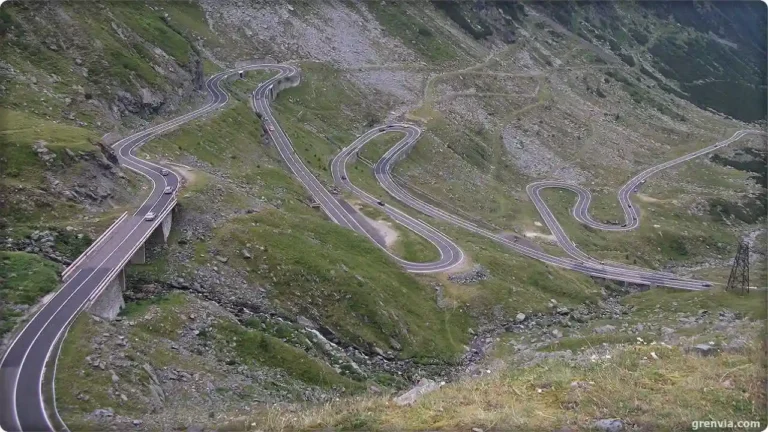
Routes such as the NC500 and Transfăgărășan feature prominently in my scenic drive rankings. Managing a larger vehicle requires specific maintenance strategies found in my long-distance preparation guide. Compact vehicles are recommended for the Transfăgărășan — as our guide to Romania’s most scenic road trip explains, motorhomes face real constraints above Bâlea Cascadă.
Why These Motorhome Routes Define European Road Travel
Motorhome touring routes in Europe represent the gold standard for overland adventure, combining centuries-old scenic byways with modern infrastructure built specifically for recreational vehicles. After 18 years traveling across four continents and maintaining RVs through every condition imaginable, I’ve learned that the difference between a memorable journey and a maintenance nightmare often comes down to route selection, and in lesser-known Eastern European cities ideal for a motorhome stopover.
Europe stands apart from other continents because its motorhome culture is deeply embedded in the road system itself. Countries like Germany, France, and Norway have invested heavily in designated motorhome parking areas, low-clearance warnings, and weight-rated roads that prevent the disasters I’ve witnessed elsewhere—like watching an RV attempt a medieval village street in rural Italy with only inches of clearance on each side.
The routes I’m covering here aren’t just scenic—they’re engineered for vehicles our size, with consideration for turning radius, grade percentages, and emergency pullouts. These are roads where you can focus on the experience rather than constantly calculating whether your rig will clear that next tunnel or make it up that 12% grade without overheating.
I’ll be covering cross-border logistics that guidebooks ignore, like diesel availability differences between countries, highway toll systems that vary wildly, and the reality of finding motorhome-suitable campsites through booking platforms during peak seasons. Real-world touring means understanding your vehicle’s systems—particularly solar power capacity and water management—before you commit to remote sections of these routes. While the Alps are famous, a hidden addition to the best routes is the forgotten road: Europe’s most scenic drive nobody talks about, offering unmatched solitude for campervans.
Route Selection: The Top 10 European Motorhome Journeys
Route des Grandes Alpes, France: The Alpine Challenge
Stretching approximately 700 kilometers from Thonon-les-Bains on Lake Geneva to Menton on the Mediterranean, this legendary route crosses 16 major Alpine passes with elevations reaching 2,764 meters at Col de l’Iseran. The Route des Grandes Alpes represents serious mountain driving that tests both driver skill and vehicle capability.
This isn’t a route for underpowered rigs. You need sufficient engine torque to handle sustained climbs, and your braking system must be in perfect condition for the descents. I recommend engine braking in second gear rather than riding your brakes down mountain passes—learned that lesson the hard way with warped rotors in the Swiss Alps.
The route typically requires 7-10 days minimum, though experienced travelers budget two weeks to properly enjoy the Alpine villages and hiking opportunities. Many passes close from November through May due to snow, making summer the primary window. French Aires de Camping-Car along this route are well-maintained and strategically positioned.
Important: Diesel prices in French mountain towns run 10-15% higher than lowland areas. Fill up in larger towns before climbing into remote sections. Your fuel economy will drop significantly on mountain grades—budget 30-40% worse than highway driving.
Wild Atlantic Way, Ireland: Coastal Immersion
Ireland’s Wild Atlantic Way extends over 2,500 kilometers from County Donegal to County Cork, following the country’s western coastline through some of Europe’s most dramatic scenery. The route encompasses the Cliffs of Moher, Kylemore Abbey, and countless hidden bays that most tourists never discover.
Irish roads present unique challenges for larger motorhomes. Many coastal routes are single-track with passing places, requiring patience and solid backing skills. I’ve found that traveling this route during shoulder seasons (April-May or September-October) dramatically reduces traffic pressure and makes navigation significantly easier.
The Atlantic weather can change within minutes. Your motorhome’s seals and weatherproofing will be tested here—this is where poor maintenance becomes obvious. Check window seals, door weatherstripping, and roof vents before attempting Ireland’s west coast. Wind can reach dangerous levels; I’ve had days where driving felt unsafe and pulling over was the only sensible option.
Book guided coastal experiences and cultural tours during your stops to maximize your understanding of Irish history and landscapes. The Wild Atlantic Way rewards slow travel—rushing this route misses the entire point.
Tip: Free wild camping (boondocking) is generally tolerated in Ireland outside designated no-camping zones, but always ask permission if parking on what might be private land. Irish farmers are typically welcoming if you approach respectfully.
Iceland’s Ring Road: Arctic Circle Adventure
The Ring Road (Route 1) circles Iceland’s entire perimeter at roughly 1,300 kilometers, passing glaciers, waterfalls, volcanic landscapes, and black sand beaches. This route delivers otherworldly scenery unlike anything else in Europe, but requires specific preparation due to Iceland’s remote sections and extreme weather.
Iceland’s road conditions vary dramatically. The southern section is well-paved and easily managed, while eastern and northern segments can be rough, with gravel sections and narrow bridges that demand careful navigation. Wind speeds regularly exceed 80 km/h, creating dangerous crosswinds that can push motorhomes across lanes.
Your vehicle’s systems face unique stresses here. The constant vibration from rough roads can loosen connections in your solar panel mounts, battery terminals, and plumbing fittings. I recommend daily walkaround inspections, checking for loose components before they become failures.
Iceland’s campsites fill quickly during summer (June-August). Many require advance booking through specialized camping platforms to guarantee spots. Wild camping is illegal in many areas and heavily enforced—respect local regulations to avoid substantial fines.
German Romantic Road: Medieval Heritage Route
Running 460 kilometers from Würzburg to Füssen, Germany’s Romantic Road passes through medieval towns, fairy-tale castles including Neuschwanstein, and Bavarian countryside that defines European charm. This well-developed route offers excellent infrastructure for motorhomes, including designated parking and service areas.
The Romantic Road represents easier driving compared to Alpine routes, with gentle grades and well-maintained surfaces. This makes it ideal for those new to European motorhome travel or using smaller, less powerful vehicles. The route works year-round, though winter brings Christmas markets that create both charm and parking challenges.
German Stellplatz (motorhome parking areas) along this route are exemplary, typically costing €8-15 nightly with water refill and waste disposal facilities. The German system represents what motorhome infrastructure should look like—other countries take note.
Plan 10-14 days to properly experience the Romantic Road without rushing. Towns like Rothenburg ob der Tauber deserve full-day stops, and Neuschwanstein Castle requires advance ticket reservations due to limited daily visitor capacity.
Attention
Many medieval town centers have strict vehicle size restrictions. Research designated motorhome parking on the outskirts and use public transport or bicycles to access historic centers. Attempting to navigate narrow medieval streets in a 7-meter motorhome ends poorly.
Norwegian Atlantic Road: Engineering Marvel
The Atlantic Road (Atlanterhavsveien) spans just 8.3 kilometers, but this stretch of coastal highway through western Norway ranks among the world’s most spectacular drives. Eight bridges connect small islands with dramatic curves that make it feel like you’re driving on the ocean itself.
This route demands attention to weather forecasts. During storms, waves crash over the roadway, creating dangerous conditions. I’ve witnessed massive swells completely obscure sections of road—exciting in photos, genuinely dangerous in reality. Norwegian authorities sometimes close the Atlantic Road during extreme weather.
The Atlantic Road works best as part of a larger Norwegian coastal journey. Combine it with exploration of nearby Kristiansund and Molde, where motorhome facilities are well-developed. Norwegian campsites maintain high standards but come with premium pricing—budget €30-50 nightly for developed sites.
Your solar system gets excellent performance this far north during summer months, with nearly 24-hour daylight. However, relying solely on solar means understanding your power consumption precisely. A 300-watt system might seem adequate until you spend three days in rain without sun exposure.
Understanding European Toll Systems and Vignettes
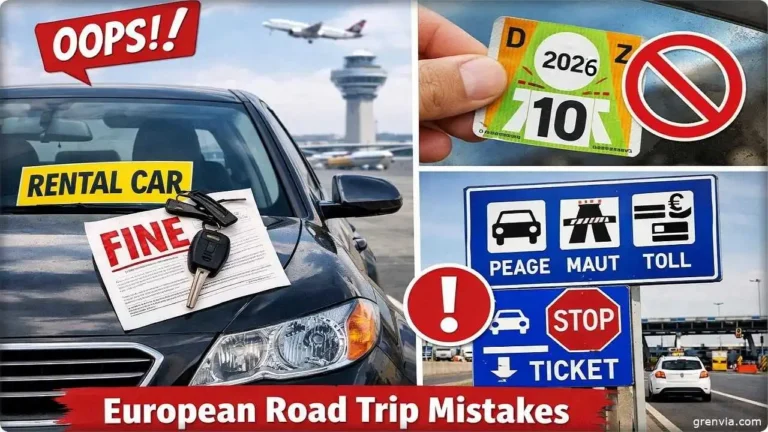
Motorhome toll systems vary dramatically across European borders, creating confusion for travelers unfamiliar with regional differences. France uses traditional toll booths on autoroutes where you pay based on distance traveled. Switzerland requires an annual vignette sticker costing approximately 40 CHF, regardless of how many days you actually spend in the country.
Austria similarly uses vignettes, but also charges separate tolls for specific mountain passes. Germany has toll-free highways for passenger vehicles but charges commercial vehicles over 7.5 tons—motorhomes typically remain exempt. Italy combines highway tolls with restricted traffic zones (ZTL) in historic city centers that carry hefty fines if you enter without permits.
I carry a dedicated European toll pass device that works across multiple countries, eliminating the need to stop at toll booths. This speeds border crossings and prevents the frustration of arriving at a toll booth without correct change. Research which pass system covers your planned route—Telepass and similar services can save substantial time.
Tip: Photograph toll receipts and vignette purchases. If disputes arise about payment, having documentation prevents expensive administrative headaches.
Diesel Availability and Fuel Quality Differences
Diesel quality remains generally consistent across Western Europe, but availability patterns differ significantly. Germany maintains dense fuel station networks even in rural areas. France requires more planning, with stations in small towns often closing Sundays. Scandinavian countries see high fuel prices—sometimes 50% above Central European rates.
Southern European countries like Spain and Portugal offer lower fuel costs, but rural areas may have limited stations with hours that don’t align with tourist expectations. I’ve learned to fuel up before 6 PM in rural Spain and Portugal to avoid getting caught with closed stations.
Your motorhome’s fuel tank capacity becomes strategic on longer routes. I always refuel at 50% rather than running tanks near empty. This provides flexibility and prevents situations where you’re scrambling to find fuel in unfamiliar territory with limited language skills.
Managing Gray and Black Water: European Campsite Standards
Water management varies across European camping infrastructure. Northern European countries typically provide excellent disposal facilities at both campsites and dedicated motorhome service points. Southern Europe can be more challenging, with older facilities that may lack proper chemical toilet disposal or adequate gray water drainage.
Your fresh water capacity matters significantly when planning remote sections. Iceland’s Ring Road, for example, has service points spaced 100-200 kilometers apart in eastern sections. A 100-liter fresh water tank won’t sustain two people comfortably for multiple days without refills.
I installed a gray water monitoring system after overflow incidents in Portugal taught me to be more conservative about capacity. Knowing exactly how full your tanks are prevents messy situations and helps plan service stop timing.
Vehicle Systems and Maintenance: Keeping Your Rig Road-Ready
Solar Power Realities for Extended European Touring
Solar panels transform extended European motorhome travel from an exercise in campsite hopping to genuine freedom camping. However, realistic expectations about solar capacity prevent disappointment and stranded situations.
A 300-watt solar setup generates approximately 1,200-1,500 watt-hours daily under ideal conditions—full sun, proper panel angle, clean surfaces. Reality delivers less. Cloudy days in Northern Europe might yield 300-400 watt-hours from the same system. Running a refrigerator alone consumes 30-50 watt-hours per hour, meaning your primary appliance uses 720-1,200 watt-hours daily.
Understanding your consumption patterns before attempting solar-dependent travel prevents frustration. I recommend tracking every device’s power draw for two weeks while still on shore power. This reveals your actual needs versus assumptions. Most people underestimate their usage by 30-50%.
Lithium batteries paired with solar dramatically improve usable capacity compared to lead-acid alternatives. A 200-amp-hour lithium battery provides roughly 2,400 usable watt-hours, while the same rated lead-acid battery delivers only 1,200 watt-hours due to depth-of-discharge limitations.
Important
Panel positioning matters enormously. Rooftop mounting works well in southern Europe where sun angles are high. Northern routes during shoulder seasons benefit from portable panels that can be repositioned for optimal angle as the sun moves.
Preventive Maintenance: What Breaks and When
Eighteen years of continuous travel taught me which systems fail predictably and how to prevent breakdowns far from qualified technicians. European roads are generally excellent, but even good roads stress RV systems through constant vibration and temperature cycling.
Water pumps fail more than any other single component. Carry a spare water pump—they’re inexpensive insurance. I’ve replaced mine twice in remote Iceland and once in rural Portugal. The job takes 30 minutes if you have the part, days if you need to source one locally.
Tire pressure monitoring systems are essential, not optional. European highways operate at higher sustained speeds than North American roads. Underinflated tires at 110 km/h highway speeds build heat rapidly, leading to blowouts. Check pressures weekly minimum, daily during hot weather.
Your refrigerator’s cooling efficiency depends heavily on proper ventilation. European summers in southern regions regularly exceed 35°C. If your RV’s refrigerator ventilation is marginal, you’ll discover this in Spanish heat. Ensure adequate airflow and consider adding auxiliary ventilation fans if operating in high-temperature climates.
Emergency Roadside Assistance Across Borders
European breakdown coverage differs fundamentally from North American systems. Many countries require specific insurance products or membership in organizations like ADAC (Germany), RAC (UK), or similar national automobile clubs.
I maintain coverage through a pan-European provider that guarantees service across all EU countries plus Switzerland, Norway, and Iceland. The cost runs approximately €150-200 annually, but includes towing, accommodation if your vehicle requires overnight repairs, and importantly, speaks English when coordinating service.
Verify your coverage extends to your vehicle’s actual weight. Many policies cover vehicles under 3.5 tons but charge substantially more for larger motorhomes. A 7-meter motorhome with full tanks and gear easily exceeds 3.5 tons—being underinsured means paying exorbitant towing costs out of pocket.
Seasonal Planning: When Each Route Shines Brightest
European motorhome routes deliver dramatically different experiences depending on season. The Alpine passes including Route des Grandes Alpes remain impassable from November through May due to snow. Attempting these routes outside summer means confronting closed roads, treacherous conditions, or both.
Iceland’s Ring Road operates year-round, but winter driving requires experience with ice, snow, and whiteout conditions that can appear within minutes. Summer (June-August) brings midnight sun and passable road conditions, but also crowds and inflated prices. Shoulder seasons offer compromise—fewer tourists, reasonable weather, but occasional road closures due to early or late snow.
Ireland’s Wild Atlantic Way works year-round but delivers wildly different experiences. Summer brings relatively mild weather and long daylight hours, perfect for outdoor activities and coastal photography. Winter sees dramatic storm systems that batter the coastline with spectacular wave action—incredible if you enjoy raw nature, miserable if you prefer comfort.
Southern European routes including Spain’s White Villages Route and Italy’s Amalfi Coast work best during spring (April-May) or fall (September-October). Summer heat in these regions can be oppressive, and tourist crowds make navigation challenging. Winter brings mild temperatures and minimal crowds, though some coastal businesses close.
Tip: Book your flights to European departure points well in advance for shoulder season travel to secure better rates. Spring and fall flights often cost 30-40% less than peak summer pricing.
Budget Planning: Real Costs Beyond Fuel and Tolls
European motorhome travel costs vary enormously based on choices and countries visited. Scandinavia represents the expensive end—expect €40-60 daily for campsites, €2-3 for coffee, €15-25 for restaurant meals. Eastern Europe delivers incredible value, with campsites around €15-20 and local restaurant meals under €10.
Fuel costs fluctuate but generally run €1.40-1.80 per liter for diesel across most of Western Europe. A motorhome averaging 12 liters/100km means €17-22 per 100 kilometers traveled. Daily driving of 200-250 kilometers (reasonable for enjoyable touring) costs €35-55 in fuel alone.
Toll roads add significantly to budgets on certain routes. France’s autoroute system from Calais to the Mediterranean costs approximately €100-120 in tolls. Switzerland’s vignette seems reasonable at 40 CHF until you realize it’s mandatory regardless of whether you drive 50 kilometers or 5,000. Italy’s tolls run roughly €40-60 for north-south traverses.
Grocery costs for self-catering remain reasonable across Europe. We typically spend €60-80 weekly for two people when cooking in our motorhome, substantially less than restaurant meals. Markets in France, Spain, and Italy offer exceptional produce and local products at very fair prices.
The biggest variable expense comes from activities and attractions. Reserve tickets for major attractions like castles, museums, and guided experiences in advance to secure entry and often receive better rates than walk-up pricing. Advance booking also prevents disappointment when popular sites reach capacity.
Frequently Asked Questions
What are the best motorhome routes in Europe for first-timers?
Germany’s Romantic Road and France’s Loire Valley offer excellent infrastructure, gentle driving conditions, and well-developed motorhome facilities, making them ideal for European touring beginners.
How much does a European motorhome trip cost per day?
Daily costs range from €50-80 in Eastern Europe to €100-150 in Scandinavia, covering fuel, campsite fees, food, and tolls. Budget €80-100 daily for comfortable Central European touring.
Do I need special insurance for motorhome touring in Europe?
Yes, comprehensive breakdown coverage extending across all planned countries is essential. Verify your policy covers your vehicle’s actual weight and includes towing, accommodation, and English-speaking assistance.
Can I wild camp with a motorhome in Europe?
Regulations vary significantly by country. Norway, Scotland, and parts of France permit wild camping with restrictions. Germany, Italy, and most of Switzerland prohibit it. Always research specific countries before planning wild camping.
What size motorhome works best for European routes?
Vehicles under 7 meters length and 3.5 tons weight offer maximum flexibility for medieval towns, mountain passes, and ferry crossings. Larger rigs face restrictions on certain routes and parking limitations.
How do tolls and vignettes work for motorhomes in Europe?
France uses distance-based toll booths, Switzerland and Austria require purchased vignettes (stickers), Germany charges no passenger vehicle tolls, and Italy combines tolls with city center restrictions. Research each country’s system before arrival.
Is solar power sufficient for European motorhome touring?
A properly sized system (400+ watts with lithium batteries) provides excellent freedom in summer. Northern routes during shoulder seasons require larger systems or supplementary charging due to reduced sunlight hours and lower sun angles.
What’s the best season for European motorhome touring?
Late spring (May-June) and early fall (September-October) offer ideal weather, fewer crowds, and lower prices. Summer provides best weather but peak crowds and prices. Alpine routes require summer due to snow closures.
Conclusion: Preparing for Your European Motorhome Adventure
European motorhome touring routes deliver unmatched freedom to explore the continent at your own pace, connecting landscapes, cultures, and experiences impossible to achieve through conventional travel. These ten routes represent diverse options—from challenging Alpine passes testing vehicle and driver to coastal scenic routes offering gentle touring with spectacular views.
Success in European motorhome travel comes from realistic planning and proper vehicle preparation. Understand your rig’s systems thoroughly before departure, particularly solar power capacity, water management, and vehicle limitations. The difference between adventure and misery often hinges on knowing whether your motorhome can actually deliver what you’re asking of it.
Start with routes matching your experience level. The German Romantic Road offers excellent introduction to European touring with superior infrastructure and manageable driving. Build skills and confidence before attempting Iceland’s Ring Road or France’s Alpine passes where mistakes carry higher consequences.
Connect with the European motorhome community before departure. Facebook groups, forums like Motorhome Fun or Wild Camping, and apps like Park4Night provide current information about camping spots, road conditions, and service points that guidebooks miss. This community knowledge prevents problems and reveals opportunities.
Your motorhome represents both transportation and accommodation, creating unique flexibility. Remote camping in Norwegian fjords, waking to Alpine sunrises, or falling asleep to Atlantic waves becomes routine rather than exceptional. This is traveling at the pace of life, not the pace of tour schedules.
Equipment maintenance prevents most problems. Conduct systematic checks before departure and weekly during travel. Water systems, tire pressures, battery voltages, and solar system performance—these aren’t optional monitoring points but essential habits separating successful touring from stranded situations.
Europe’s motorhome infrastructure continues improving yearly, with more countries recognizing the economic value of RV tourism and investing in facilities. You’re traveling at perhaps the best time in history for motorhome adventuring—modern vehicle technology, extensive service networks, and a continent designed for exploration.
Research your specific vehicle’s documentation and restrictions before crossing borders. Some countries require reflective vests, warning triangles, spare bulbs, and fire extinguishers. Having required safety equipment prevents fines and ensures compliance with local regulations. Start planning your route today, prepare your vehicle properly, and discover why European motorhome touring creates lifetime memories and often becomes addictive lifestyle rather than single vacation. The open road awaits.
Link Suggestions
Essential RV solar system installation guide → Link to solar power setup tutorial
Essential Pre-Road Trip Vehicle Maintenance Checklist → Link to maintenance guide
ADAC (German Automobile Club) – for breakdown coverage information
Caravaning Info – Official European motorhome regulations and standards
Follow WheelsFree on Facebook
Get practical car maintenance tips, driving advice, troubleshooting guides, and useful automotive updates published regularly on Grenvia.
Follow the Facebook PageI am Georg Planko, a travel expert and a key figure at Grenvia (FreeWheels). My mission is to give you the freedom and comfort you deserve during your journeys. With a focus on reliability and a passion for the road, I ensure that grenvia.com remains your trusted authority for adventures on two and four wheels.