

📅 Published on September 29, 2025 🔄 Updated on May 6, 2026
Spring is the optimal window for Europe road trips, offering a balance of mild weather, blooming landscapes, and significantly lower traffic than the summer peak. This guide explores the technical demands of Italy’s Amalfi Coast, the rugged beauty of Ireland’s Ring of Kerry, and the sun-drenched efficiency of Portugal’s Algarve, providing expert insights into vehicle prep, international insurance, and hidden costs.
To maximize your journey, focus on vehicle optimization and seasonal logistics. From navigating “ZTL” zones in Italy to managing Atlantic gale-force winds in Ireland, success on the road requires more than just a map; it requires a seasoned perspective on European driving regulations and gear reliability.
Mastering the Open Road: Spring Expeditions in Europe
Europe road trips represent the pinnacle of automotive exploration, combining centuries of history with some of the most technically challenging and visually stunning tarmac on the planet. As someone who has spent over a decade stress-testing vehicles across various continents, I can tell you that spring—specifically late March through May—is the “sweet spot.” The air is crisp, the engines run cooler, and the asphalt isn’t yet choked by the summer tourist crush.
However, a successful expedition isn’t just about the view from the windshield. It’s about understanding the nuances of international road laws, the tax implications of long-term rentals, and ensuring your gear can handle the shifting microclimates of the European continent. In this guide, I’ll break down three iconic routes from a perspective that values mechanical preparedness and logistical precision as much as the scenery.
Important
Before heading out, ensure your International Driving Permit (IDP) is valid. While many EU countries recognize US or UK licenses, certain local authorities and rental agencies strictly require the IDP document to validate your insurance.
The Amalfi Coast, Italy: Mastering the Vertical Drive
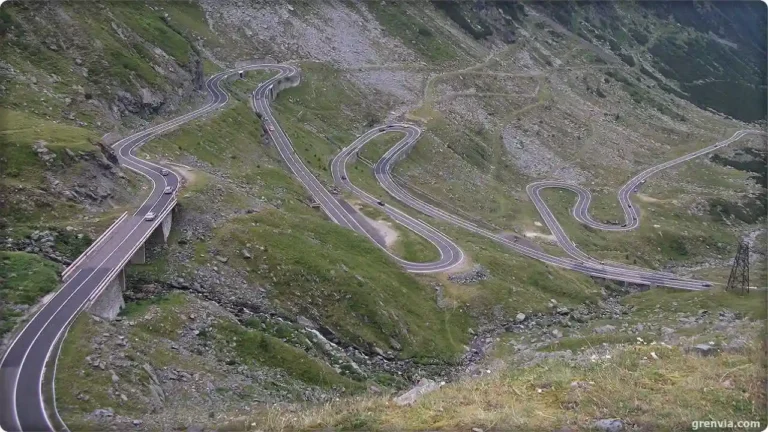
The Amalfi Coast is often romanticized, but from a driver’s seat, it is a masterclass in spatial awareness and brake management. Driving the SS163 in the spring allows you to navigate the tight hairpins without the constant gridlock of tour buses that plague the region in July.
Springtime Logistics and Vehicle Handling
Spring brings mild temperatures, typically between 15°C and 22°C (59°F–72°F), which is ideal for preventing brake fade on the heavy descents. If you are renting, I strongly recommend a compact vehicle with a high torque-to-weight ratio. Large SUVs are a liability here; the lanes are narrow, and “giving way” often involves reversing near sheer cliffs. While the Alps are stunning in spring, the American West offers a different challenge when crossing the Rockies, especially during the late snowmelt. The Dinaric Alps section of Montenegro’s northern routes ranks among Europe’s most technical spring drives — see my full Montenegro mountain roads guide for conditions and timing.
During my testing of various gear setups in Mediterranean climates, I’ve found that high-quality polarized sunglasses are non-negotiable. The glare off the Tyrrhenian Sea at noon can be blinding, obscuring oncoming scooters that frequently cross the center line.
Best Compact Car Rentals in Naples
Hidden Costs: ZTL Zones and International Insurance
One aspect many travel blogs ignore is the Zona a Traffico Limitato (ZTL). Most Amalfi towns have these restricted areas. If you accidentally cross a ZTL line, cameras will log your plate, and a hefty fine will follow you across the Atlantic.
What is the best way to avoid ZTL fines on Europe road trips?
Always park in designated lots outside the historic centers and use GPS apps specifically updated for European traffic laws. Furthermore, ensure your insurance includes “Collision Damage Waiver” (CDW) with zero excess, as minor scrapes are almost a rite of passage on these narrow Italian roads.
| Metric | Average Value | Expert Note |
|---|---|---|
| Fuel Price (Litre) | €1.85 – €2.10 | Prices spike near Positano. |
| Road Difficulty | 8/10 | High focus required for hairpins. |
| Best Month | May | Best balance of sun and traffic. |
| Recommended Gear | Compact Dashcam | Essential for insurance claims. |
The Ring of Kerry, Ireland: Testing Gear in the Wild Atlantic
The Ring of Kerry is a 179km loop that defines the rugged spirit of Europe road trips. In spring, the gorse is in bloom, and the waterfalls are at full capacity. However, the “Wild Atlantic Way” lives up to its name, demanding gear that can withstand sudden shifts from sunshine to torrential rain.
The challenge here isn’t just the left-hand drive; it’s the “boreens”—narrow country lanes where you might meet a tractor or a flock of sheep around a blind corner. Spring weather in Ireland is notoriously fickle. I’ve seen 40-knot winds strip the heat from a parked car in minutes.
When preparing your vehicle, check your tire tread depth. The Atlantic rain creates a slick film on the coastal asphalt. I recommend a minimum of 3mm tread depth for Irish spring driving, even though the legal limit is lower. Reliability is your primary safety net when cell service drops out near the Skellig Coast.
Killarney National Park Guided Tours
Essential Camping Gear for the Irish Coast
If you’re taking a campervan or overlanding rig, your electrical system needs to be robust. Spring days are lengthening, but solar gain is still low. During my long-distance expeditions, I’ve relied on portable lithium power stations to keep navigation and heating running without draining the starter battery.
Tip
Always drive the Ring of Kerry clockwise. Most tour buses are forced to go counter-clockwise due to the narrow roads. By following the flow of the buses, you avoid the terrifying prospect of meeting a 40-foot coach head-on in a spot where neither of you can move.
Attention
Wild camping is technically restricted in many parts of Kerry. Use dedicated campsites like those near Caherdaniel to avoid fines and support local infrastructure.
The Algarve Coast, Portugal: A Deep Dive into Cross-Border Efficiency
Portugal’s southern coast offers a different kind of allure for Europe road trips. Starting in Faro and heading west toward Sagres, you encounter a landscape of dramatic limestone cliffs and turquoise waters. This route is technically easier but requires savvy management of administrative logistics.
Managing Tolls and Fuel Economy on the Southern Edge
Portugal uses an electronic toll system (Via Verde) on the A22 highway. Many visitors get caught out because there are no physical toll booths. If your rental car isn’t equipped with a transponder, you have to pay at a local post office (CTT) a few days later—a massive headache if you’ve already crossed the border into Spain. Before crossing borders, ensure you understand international car insurance requirements and the Green Card system.
Are there tax-free car options for long Europe road trips?
Yes. For non-EU residents staying longer than 21 days, the “Peugeot Open Europe” or “Renault Eurodrive” schemes offer tax-free, brand-new car leases. These are often cheaper than traditional rentals and include comprehensive insurance with no excess, which is a game-changer for long-term expeditions.
Portable GPS with European Maps and Toll Alerts
Border Crossing Nuances and Long-Distance Comfort
The Algarve is the perfect springboard for a cross-border hop into Seville, Spain. While the Schengen Agreement makes physical borders nearly invisible, you must ensure your “Green Card” insurance document specifically lists all countries you intend to visit.
Spring Temperature Management
While the Algarve is warm, the Atlantic breeze is constant. Ensure your vehicle’s HVAC system is serviced. I often see travelers forget that even in 20°C (68°F) weather, the cabin can greenhouse rapidly. A simple ceramic window tint or high-quality sunshades can reduce cabin temp by up to 10°C, significantly improving fuel economy by reducing A/C load.
Best Hotel Deals in Lagos and Sagres
Expert Preparation: The Technical Side of European Overlanding
Beyond the specific routes, a successful spring journey across the continent requires a high-level understanding of vehicle logistics and personal safety. Over my years of vehicle testing, I’ve seen more trips ruined by administrative oversight than by mechanical failure.
Tax-Free Leasing and Long-Term Vehicle Logistics
If you’re planning a trip longer than three weeks, stop looking at Hertz or Avis and start looking at “Buy-Back” programs. These programs allow you to “buy” a new car and have the manufacturer “buy it back” at the end of your trip. The primary advantage? The car is registered in your name, it’s brand new (maximum reliability), and it includes full factory insurance that covers theft and glass—something standard rentals often charge extra for.
Health Insurance and Emergency Safety Protocols
Standard travel insurance often falls short for overlanders. You need a policy that covers “repatriation of vehicle.” If you have a major breakdown or a medical emergency, getting yourself home is one thing; getting a 2-ton vehicle across an ocean or back to a rental hub is another cost entirely.
How do I handle emergencies on Europe road trips?
The universal emergency number is 112. However, I always carry a satellite messenger (like a Garmin inReach) when driving through the Picos de Europa or the Highlands. Even in “civilized” Europe, dead zones are common in mountainous coastal regions.
Garmin inReach Mini 2 Satellite Communicator
Checklist: Technical Prep for Spring Drives
Battery Health
Cold spring nights can kill an aging lead-acid battery.
Fluid Levels
Check coolant mix; spring can still see freezing temps in higher altitudes.
Light Kit
Many European countries require you to carry a spare bulb kit and a reflective vest inside the cabin.
Documentation
Physical copies of insurance, registration (V5C or equivalent), and IDP.
The beauty of Europe road trips in the spring lies in the discovery of the unexpected. Whether it’s a sudden bloom of wildflowers in the Algarve or a perfectly clear day at the Cliffs of Moher, these moments are the reward for meticulous preparation. By focusing on the technical health of your vehicle and the nuances of local regulations, you transition from a mere tourist to a seasoned road-tripper.
Don’t let the fear of logistics hold you back. The roads are calling, the engine is ready, and the spring air is the perfect companion for the miles ahead.
Learn more about the iconic roads along the American coastline.
Follow WheelsFree on Facebook
Get practical car maintenance tips, driving advice, troubleshooting guides, and useful automotive updates published regularly on Grenvia.
Follow the Facebook PageI am Georg Planko, a travel expert and a key figure at Grenvia (FreeWheels). My mission is to give you the freedom and comfort you deserve during your journeys. With a focus on reliability and a passion for the road, I ensure that grenvia.com remains your trusted authority for adventures on two and four wheels.